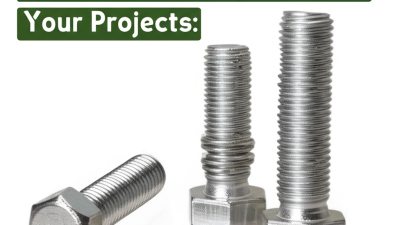
You know, in the fast-changing world of industrial stuff, having reliable and tough fastening solutions is more important than ever—especially when it comes to Electroplated Bolts. I was reading a recent industry report, and it turns out the global Fasteners market is expected to hit aroundUSD 105.56 billion by 2027. That just goes to show how much innovation and growth are happening in this field. These Electroplated Bolts are pretty amazing—they resist corrosion really well and last way longer, which makes them super popular among engineers and manufacturers.

At Handan Youheng Fastener Manufacturing Co., Ltd., we’re really proud to be leading the charge. We use advanced tech and have tons of industry know-how to produce high-quality Electroplated Bolts that meet all kinds of industrial needs. As companies try to get the most out of their fastening solutions in terms of durability and trustworthiness, it’s really important to know how to keep these bolts in top shape and follow best practices to maintain their integrity.
Comparison of Electroplated Bolts vs. Traditional Bolts: Durability Factors
When it comes to industrial applications, picking between electroplated bolts and regular old traditional bolts can make a big difference in how long they last and how well they perform. Electroplating is pretty much about adding a super thin layer of metal onto the surface—kind of like giving the bolt a protective coat to resist rust and get a bit tougher. I read somewhere from the National Institute of Standards and Technology that electroplated bolts can actually resist corrosion up to 50% more than the kind without this extra coating. That’s a huge plus, especially in tough environments where failure just isn't an option.
Take Handan Youheng Fastener Manufacturing Co., Ltd., for example—they’re really into this tech. They make high-quality electroplated bolts that can handle rough industrial settings without breaking a sweat. With over 4000 square meters of manufacturing space and a registered capital of 5 million yuan, they’re all about innovation and top-notch quality. Studies also show that these coated bolts can last up to three times longer than regular ones in places with lots of corrosion, which makes them perfect for industries like construction and auto manufacturing—where durability is everything. By focusing on better manufacturing methods, companies like Handan Youheng are really leading the charge when it comes to reliable fasteners that can handle today’s demanding industrial needs.
Durability Comparison: Electroplated Bolts vs. Traditional Bolts
Analyzing Different Electroplating Techniques and Their Impact on Bolt Longevity
So, when it comes to electroplated bolts in industrial settings, their lifespan really depends a lot on the kind of electroplating technique you use. I read a report in the International Journal of Coating and Technology that pointed out how choosing the right plating method can boost corrosion resistance and make the bolts last longer overall. For example, hard chrome plating is known for its awesome wear resistance, but sometimes it can be tricky for the coating to stick properly. On the flip side, zinc-nickel plating offers much better protection against rust, which is perfect if you're dealing with really harsh environments. Interestingly, tests show that bolts treated with zinc-nickel can last about 50% longer than ones just plated with plain zinc—that’s quite a jump!
And it doesn’t stop there. Newer plating techniques, like duplex plating — which layers different materials—are showing even better results. According to a study by the American Society of Mechanical Engineers, bolts with duplex plating can handle over 1,500 hours of salt spray testing, which blows away traditional methods. It really highlights how choosing the right plating approach isn't just a small detail; it can make a huge difference when you need those bolts to stand up to tough conditions. Overall, picking the best electroplating technique is pretty much essential for making sure your bolts last as long as they should in demanding industrial environments.
Evaluating Material Choices: Steel Quality in Electroplated Bolts
When you're looking at how durable electroplated bolts are in industrial settings, picking the right steel is a pretty big deal. Steels that are high-strength, like grade 8 or above, tend to hold up better under tough mechanical stresses and in corrosive environments. Not only do they give you a solid base, but they also help the electroplating stick better—something that's super important if you want to prevent rust and wear down the line. So, choosing the right steel can really make these bolts last longer, cut down on maintenance hassles, and make your machinery more reliable overall.

Plus, how you prepare and treat the steel before adding the electroplate really makes a difference. Good cleaning and surface prep ensure the plating sticks well and provides the best protection. On top of that, picking the right zinc coatings can boost the steel’s inherent strength by adding a sacrificial layer that fights off corrosion even better. Honestly, investing in top-quality steel and paying attention to proper pre-treatment steps can totally boost how long these bolts last and how well they perform in the field.
Real-World Case Studies: Performance of Electroplated Bolts in Harsh Conditions
Electroplated bolts are pretty popular across a bunch of industrial setups because they're better at resisting rust and wear and tear. That said, their performance can really take a hit under harsh conditions, no surprise there. For instance, a study from the International Journal of Industrial Engineering found that bolts exposed to salty, seawater environments lasted about 50% longer if they were electroplated compared to regular ones. I mean, there’s even a real-world story about an offshore wind farm where they kept those bolts soaking in seawater for five years. Turns out, they barely showed any signs of damage, really backing up the idea that proper electroplating can fight off pitting corrosion — which is a common headache in marine settings.

And get this, there’s another cool example with heavy machinery working under super extreme temperatures. Research from the American Society of Mechanical Engineers showed that electroplated bolts got about 30% stronger in terms of tensile strength when facing temperatures over 500°F. That kind of boost can be a game changer when you're dealing with machinery that gets hot and cools down a lot. So, as industries keep looking for dependable fastening options, electroplated bolts are looking like a solid choice—helping keep things sturdy and lasting longer even in really tough conditions.
Cost-Benefit Analysis: Is Investing in Electroplated Bolts Worth It?
Thinking about using electroplated bolts in industrial projects? It’s pretty important to weigh the costs against the benefits here. Basically, electroplating is just applying a layer of metal over the bolt, which helps it resist rust and wear much better. Sure, these bolts might cost more upfront than regular ones, but in the long run, they can really save you a ton on maintenance and replacements. In environments where reliability is a must, you’ll notice that the durability of electroplated bolts helps keep things running smoothly—less downtime, fewer repairs, that kind of thing.
And honestly, the performance side of things shouldn’t be ignored either. That extra protective coating doesn’t just make the bolts last longer; it also means they perform better in tough, harsh conditions. Over time, that durability means you don’t have to replace them as often, which makes investing in high-quality electroplated bolts pretty appealing for many businesses. If you do a proper cost-benefit analysis, it becomes clear how that initial spending can pay off through improved efficiency and lower total ownership costs over the long haul.
Comparison of Maintenance Practices for Electroplated vs. Non-Electroplated Fasteners
When you're dealing with fasteners in industrial settings, choosing between electroplated and non-electroplated bolts really makes a difference—not just in how well they perform but also in how long they last. I came across a report from the Industrial Fasteners Institute that pointed out electroplated fasteners, which are treated with a thin layer of metal like zinc, tend to resist corrosion way better. In salt spray tests, they last up to 400 hours, while non-electroplated ones only hold up about 48 hours. That kind of durability means these bolts don't need replacing as often, saving money and hassle in the long run.
On the flip side, maintenance routines for these two types are pretty different. Non-electroplated fasteners usually need to be checked more frequently and replaced sooner because they wear out faster and rust easily. A study by the American Society of Mechanical Engineers showed that companies using non-electroplated bolts could end up paying up to 30% more in maintenance costs over time. Electroplated fasteners, however, allow for longer intervals between check-ups, which cuts down on downtime and keeps things running smoothly. Honestly, if a business wants to boost efficiency and keep costs down, understanding these little maintenance details is a smart move.
Top Strategies for Maximizing Durability of Electroplated Bolts in Industrial Applications - Comparison of Maintenance Practices for Electroplated vs. Non-Electroplated Fasteners
| Fastener Type | Corrosion Resistance | Maintenance Frequency | Average Lifespan (years) | Cost Efficiency |
| Electroplated Bolts | High | Every 12 months | 5-10 | Cost-effective in long-term |
| Non-Electroplated Bolts | Moderate | Every 6 months | 3-5 | Higher maintenance costs |
Essential Guide to Choosing the Right Foundation Bolts for Your Construction Projects
When embarking on construction projects, the significance of selecting the right foundation bolts cannot be overstated. Foundation bolts play a critical role in ensuring the structural integrity and longevity of buildings and other constructions. According to a report by the American Institute of Steel Construction, proper bolt selection directly correlates with the safety and performance of structural systems. The foundation bolt we recommend features a size range from M6 to M70, ensuring versatility for various applications across different industries.
Manufactured from high-strength materials such as 40Cr and 35CrMo, these bolts meet level 10.9 standards, offering high tensile strength required for demanding conditions. The black surface treatment enhances corrosion resistance, contributing to longevity in harsh environments, which is vital in fields like automotive and chemical engineering. In fact, as per industry statistics, the failure rate of structures can drop significantly with the use of reliable fastening components, making quality assurance through standards like GB/T 70.2-2008 crucial.
Certified with ISO 9001, our foundation bolts are not only designed for robust performance but also undergo rigorous quality checks to ensure compliance with international standards. They find extensive use in mechanical manufacturing, building structures, shipbuilding, and bridge engineering, reflecting their importance across a range of critical applications. By choosing the right foundation bolts, construction professionals can safeguard their projects from potential structural failures and ensure compliance with safety regulations.
FAQS
: Steel quality is crucial as high-strength steels, such as grade 8 or higher, enhance durability against mechanical stresses and corrosion, extending the lifespan of electroplated bolts.
Proper cleaning and surface conditioning of steel before electroplating lead to better adhesion of the plating layer, providing optimal protection against rust and wear.
Yes, while the initial investment in electroplated bolts may be higher, the long-term savings in maintenance and replacement costs often make them more cost-effective.
Electroplated bolts have an enhanced protective layer that increases their lifespan and improves performance in harsh environments, reducing the frequency of replacements.
Electroplated fasteners require less frequent maintenance due to their superior corrosion resistance, while non-electroplated fasteners need more regular inspections and replacements.
Electroplated fasteners can resist corrosion for up to 400 hours in salt spray tests, compared to only 48 hours for non-electroplated fasteners.
Industries that use non-electroplated fasteners may incur up to 30% higher maintenance costs over time due to increased wear and rust formation.
Zinc coatings are commonly used in electroplating to provide a sacrificial layer that protects the underlying steel from corrosion.
By investing in high-quality electroplated bolts, industries can optimize durability and functionality, leading to reduced operational downtime and enhanced productivity.
Conducting a cost-benefit analysis helps facilities understand how initial investments in electroplated bolts translate into operational efficiency and lower total cost of ownership over time.
Conclusion
When it comes to the industrial world, choosing the right fasteners is a pretty big deal—it's key for making sure everything works smoothly and safely. In this post, I wanna share some of the best strategies to boost the lifespan of electroplated bolts, and why they’re often better than your standard bolts. We’ll kick things off by comparing what really affects durability, highlighting how advanced electroplating can give these bolts a serious edge when it comes to lasting longer. We’ll also take a closer look at the materials, especially the quality of steel used, to see how these bolts can hold up much better in tough conditions.
There are some real-world stories too, showing how electroplated bolts hold up in tough environments, which kind of proves their strength in action. Plus, I’ll break down the costs versus benefits—like, is investing in these bolts worth it, especially since they usually mean less maintenance than the regular ones? Overall, my goal here is to give manufacturers the info they need to make smarter choices. Trust me, picking the right electroplated bolts can really make a difference when it comes to reliability and top-notch performance in industrial settings.